How Hydraulic Pressure Control Valves Prevent System Overload and Improve Safety
Hydraulic systems operate under high pressure to transmit power efficiently in industrial, mobile, and heavy-duty applications. While this enables strong force generation, it also introduces a critical risk: system overload. Excess pressure can damage components, cause leaks, or lead to catastrophic failure.
Pressure control valves—especially those used in systems designed by Eaton Corporation—are engineered to regulate, limit, and stabilize pressure, ensuring both operational safety and system longevity.
1. Understanding Hydraulic Pressure and Overload Risk
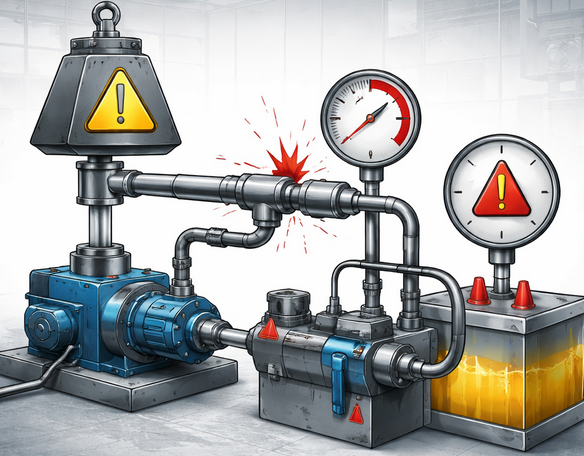
Hydraulic systems rely on pressurized fluid to perform work. However, pressure must remain within predefined limits.
Key Risk Factors
- Sudden load increases
- Blocked flow paths
- Pump over-delivery
- Temperature-induced fluid expansion
Consequences of Overload
- Burst hoses and pipe failures
- Seal damage and leakage
- Component wear or fracture
- Safety hazards for operators
Pressure control valves directly mitigate these risks by controlling pressure before it exceeds safe limits.
2. What Are Hydraulic Pressure Control Valves?
Pressure control valves are devices that monitor and regulate system pressure by adjusting fluid flow based on preset thresholds.
Core Functions
- Limit maximum pressure
- Maintain consistent operating pressure
- Protect components from overload
- Stabilize system performance
These valves automatically respond to pressure variations without requiring manual intervention.
3. Types of Pressure Control Valves and Their Roles
3.1 Relief Valves
Primary overload protection device
- Opens when pressure exceeds a set limit
- Diverts excess fluid back to the reservoir
- Prevents system pressure from rising further
Safety Impact:
Acts as the first line of defense against pressure spikes.
3.2 Pressure Reducing Valves
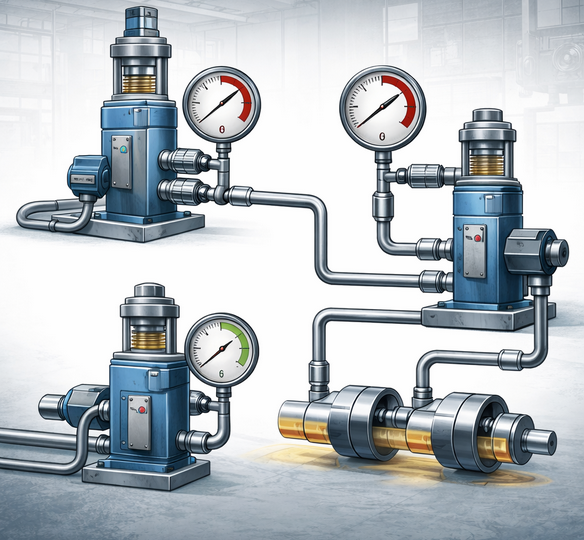
Maintains lower pressure in specific sections
- Reduces inlet pressure to a controlled outlet level
- Ensures sensitive components are protected
Safety Impact:
Prevents damage to downstream components that require lower pressure.
3.3 Sequence Valves
Controls operation order based on pressure
- Activates secondary circuits after a set pressure is reached
Safety Impact:
Prevents unintended or premature actuator movement.
3.4 Counterbalance Valves
Maintains load control
- Prevents sudden dropping of loads
- Controls back pressure
Safety Impact:
Critical in lifting applications to avoid accidents.
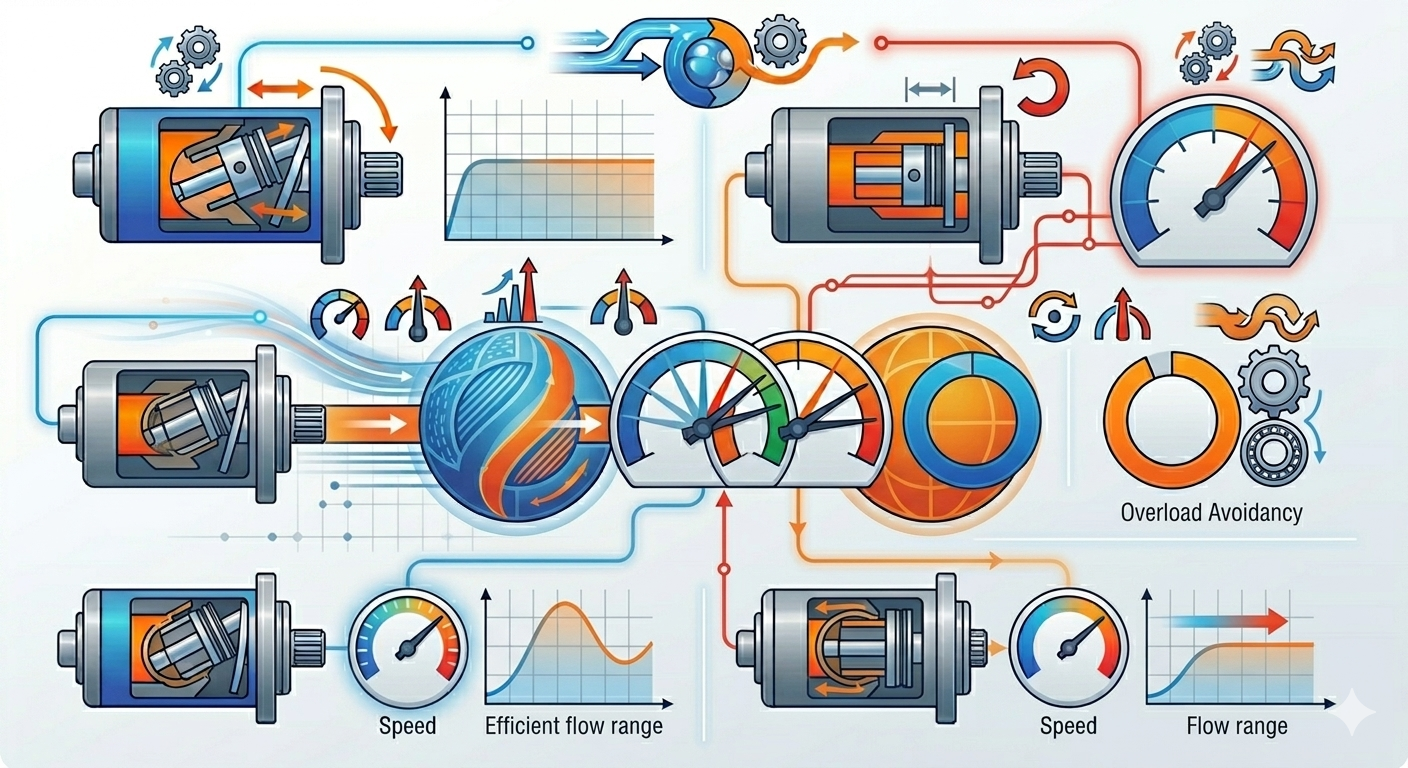
4. Working Principle: How Overload Prevention Happens
Step-by-Step Process
- Normal Operation
- Fluid flows through the system at required pressure
- Pressure Increase Detected
- Load increases or flow restriction occurs
- Valve Activation
- Pressure control valve senses threshold breach
- Flow Adjustment
- Valve opens or restricts flow accordingly
- Pressure Stabilization
- Excess fluid redirected or pressure reduced
5. Key Mechanisms That Ensure Safety
5.1 Spring-Loaded Mechanism
- ضغط fluid pushes against a spring
- When force exceeds spring tension, valve opens
5.2 Pilot Control System
- Uses secondary pressure signals for precise control
- Enables accurate and stable pressure regulation
5.3 Pressure Feedback Loop
- Continuously monitors system pressure
- Adjusts valve position dynamically
These mechanisms ensure real-time response to changing conditions.
6. Benefits of Pressure Control Valves in Safety
6.1 Prevention of Mechanical Failure
- Protects pumps, cylinders, and hoses
- Reduces maintenance costs
6.2 Operator Safety
- Prevents sudden bursts or system collapse
- Ensures controlled machine behavior
6.3 System Stability
- Eliminates pressure fluctuations
- Maintains consistent performance
6.4 Extended Equipment Life
- Reduces wear and tear
- Minimizes downtime

7. Applications Across Industries
Industrial Machinery
- Press machines
- Injection molding systems
- CNC hydraulic circuits
Construction Equipment
- Excavators
- Loaders
- Cranes
Agriculture
- Tractors
- Harvesters
- Irrigation systems
Mobile Hydraulics
- Dump trucks
- Hydraulic lifts
- Material handling equipment
In all these applications, pressure control valves are essential for safe and efficient operation.
8. Common Failure Modes and Safety Risks
Even though pressure control valves enhance safety, improper maintenance can reduce effectiveness.
Potential Issues
- Incorrect pressure settings
- Spring fatigue
- Contamination in fluid
- Valve sticking or blockage
Resulting Risks
- Delayed valve response
- Overpressure conditions
- System instability
9. Maintenance Practices for Maximum Safety
Routine Checks
- Verify pressure settings
- Inspect for leaks
Fluid Management
- Maintain clean hydraulic fluid
- Replace filters regularly
Component Inspection
- Check springs and seals
- Monitor valve responsiveness
Calibration
- Periodically recalibrate valves
- Ensure accurate pressure limits
Proper maintenance ensures valves perform reliably under all conditions.
10. Role of Advanced Technologies
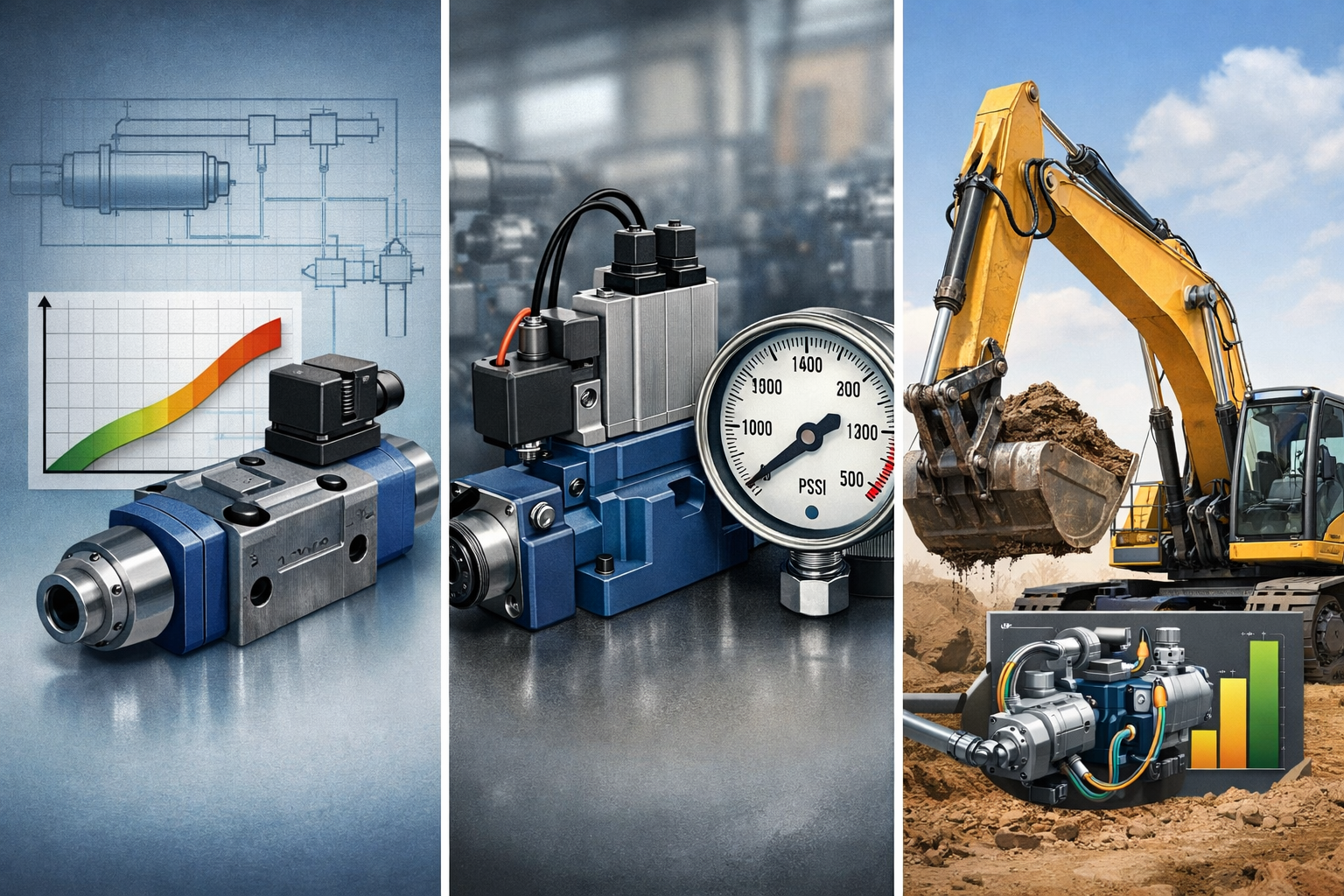
Modern hydraulic systems incorporate advanced pressure control features:
Proportional Valves
- Provide variable pressure control
- Improve precision
Servo Valves
- Enable highly accurate pressure regulation
- Used in sensitive applications
Load-Sensing Systems
- Adjust pressure based on demand
- Improve efficiency and safety
These technologies enhance both performance and protection.
11. Design Considerations for Safe Systems
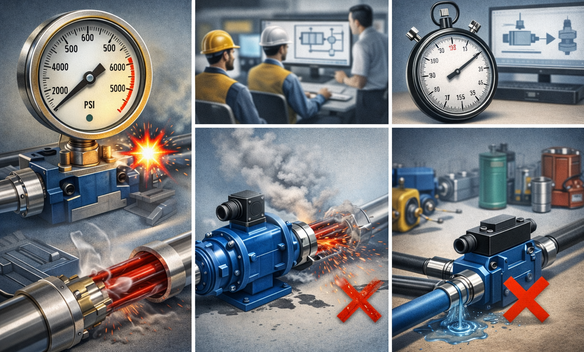
When designing hydraulic systems, engineers must consider:
- Maximum operating pressure
- Valve response time
- Flow capacity
- Compatibility with system components
Improper design can compromise safety, even with high-quality valves.
Load-Sensing Systems
- Adjust pressure based on demand
- Improve efficiency and safety
These technologies enhance both performance and protection.
Conclusion
Hydraulic pressure control valves are critical safety components that prevent system overload, protect equipment, and ensure operator safety. By continuously monitoring and regulating pressure, these valves maintain system integrity under varying conditions.
From relief valves acting as emergency safeguards to advanced proportional systems enabling precise control, pressure regulation remains the foundation of safe hydraulic operation. Proper selection, installation, and maintenance of these valves ensure long-term reliability and optimal performance.
In any hydraulic system, effective pressure control is not optional—it is essential.