Directional vs Pressure vs Flow Control: Understanding Rexroth Hydraulic Valves
Rexroth Directional Control Valves are among the most trusted hydraulic components used in industrial machinery, automation systems, and mobile equipment worldwide. Known for their precision, durability, and performance, Rexroth valves help control the direction of hydraulic fluid flow with exceptional reliability. In this guide, we explain the top 7 Rexroth Directional Control Valves, including the popular 4WE6 model, their key features, specifications, and common applications to help you choose the right valve for your hydraulic system.
Introduction to Rexroth Hydraulic Valves
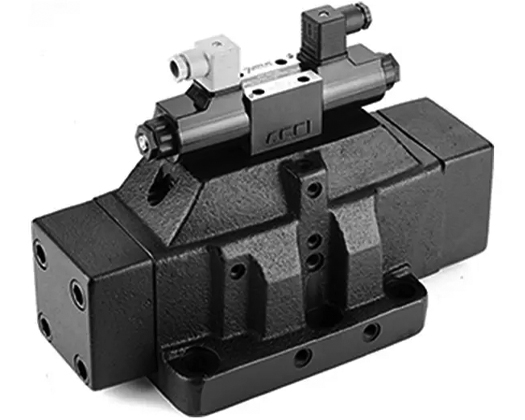
Hydraulic valves are designed to control fluid flow, pressure, and direction, ensuring that hydraulic systems operate efficiently and safely. Bosch Rexroth offers a wide range of valves used in industries such as manufacturing, agriculture, and construction.
These valves regulate how hydraulic energy is transmitted and rexroth-motors converted into mechanical motion. Whether it’s lifting heavy loads, controlling machine speed, or maintaining safe pressure levels, hydraulic valves are critical for performance and safety. ()
Understanding the Three Core Valve Types
Hydraulic valves can be broadly classified into three main categories:
- Directional Control Valves
- Pressure Control Valves
- Flow Control Valves
Each type plays a unique role in managing hydraulic systems. Understanding their differences is key to designing and maintaining efficient systems.
1. Directional Control Valves (DCVs)
What Are Directional Control Valves?
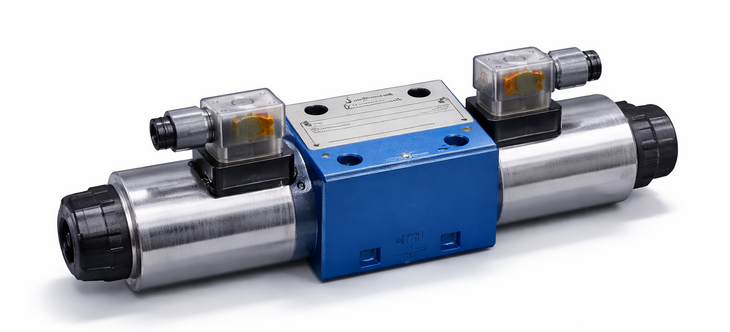
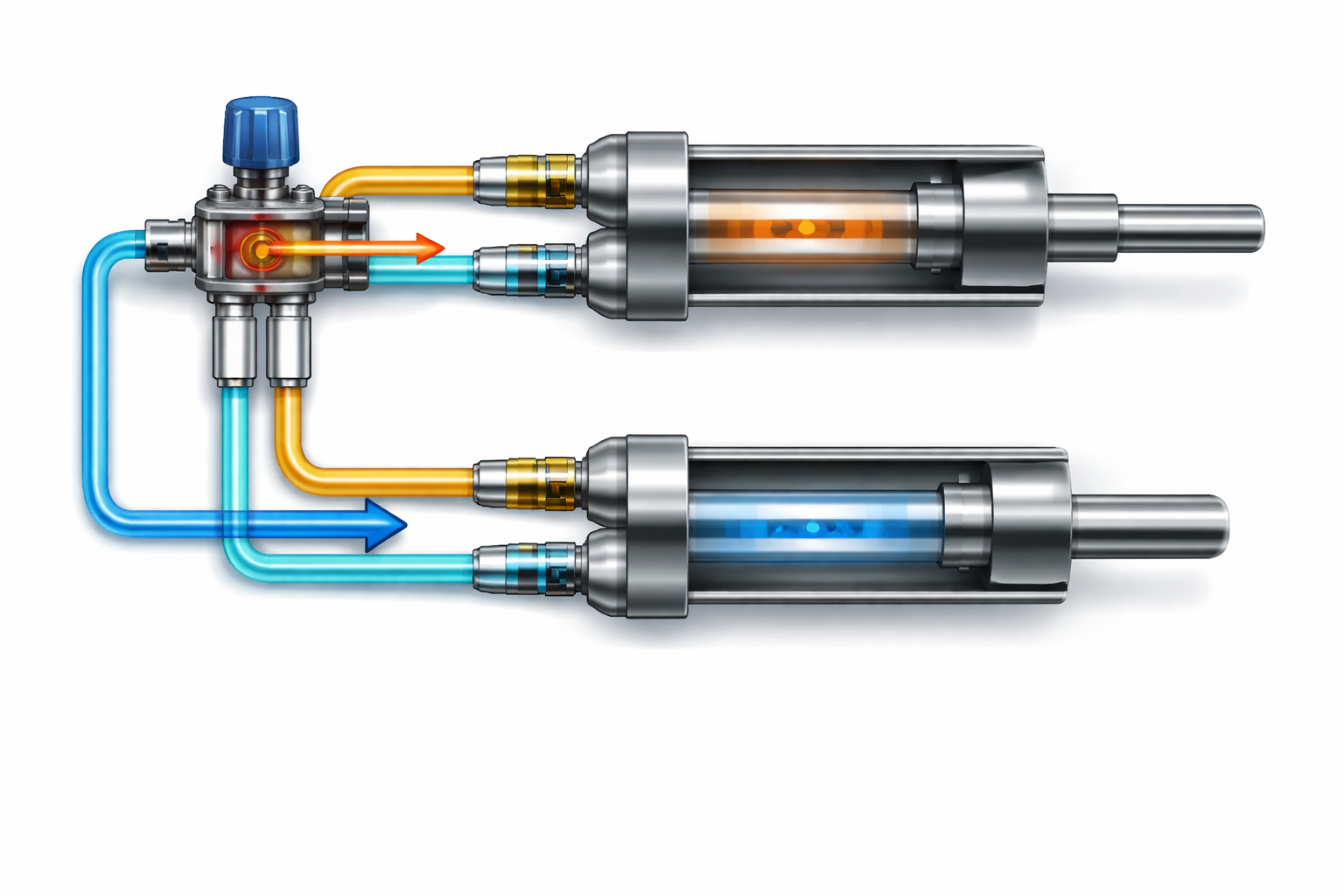
Directional control valves are responsible for controlling the path of hydraulic fluid. In simple terms, they decide where the fluid goes, which directly determines the movement of actuators such as cylinders and motors.
According to industry descriptions, these valves “control the direction of flow and therefore the movement or rotation of hydraulic actuators.” ()
2. Pressure Control Valves
What Are Pressure Control Valves?
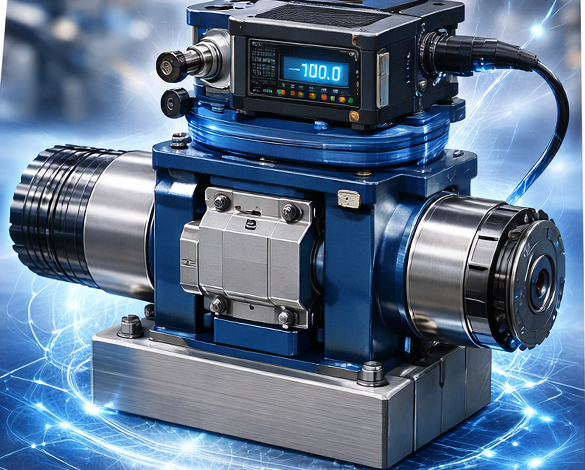
Pressure control valves are designed to regulate and maintain safe pressure levels within a hydraulic system. Without them, excessive pressure could damage components or lead to system failure.
These valves “influence the operating pressure in a system in a determinable way.” ()
How They Work
Pressure control valves operate by sensing system pressure and responding when it exceeds or falls below a set value.
For example:
- When pressure exceeds a preset limit → the valve opens to release excess fluid
- When pressure is too low → the valve may restrict flow to build pressure
A common example is the pressure relief valve, which protects the system by diverting fluid when pressure becomes too high. ()
How They Work
Directional valves typically use a spool or poppet mechanism inside the valve body. When actuated (manually, electrically, or hydraulically), the spool shifts position, opening or closing different flow paths.
For example:
- In one position → fluid flows to extend a cylinder
- In another position → fluid flows to retract it
- In neutral → flow may be blocked or redirected
These valves are often categorized by:
- Number of ports (ways) – e.g., 2-way, 3-way, 4-way
- Number of positions – e.g., 2-position, 3-position
A common configuration is the 4/3 directional valve, which has four ports and three positions, allowing complex control of actuator movement. ()
Types of Directional Valves
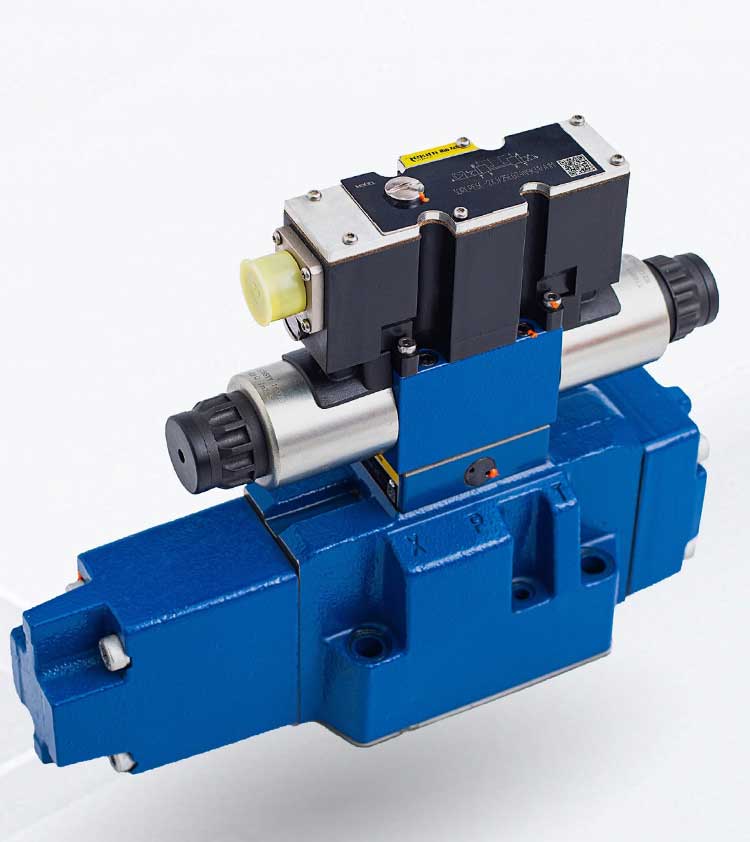
Rexroth offers several variants, including:
- On/Off Directional Valves – Simple switching between two states
- Proportional Directional Valves – Provide variable control based on input signals
- Servo Valves – High-precision valves used in advanced automation
These valves are essential in applications requiring movement control, such as robotic arms, presses, and lifting equipment.
Key Functions
- Start or stop fluid flow
- Change direction of actuator movement
- Control sequence of operations
Applications
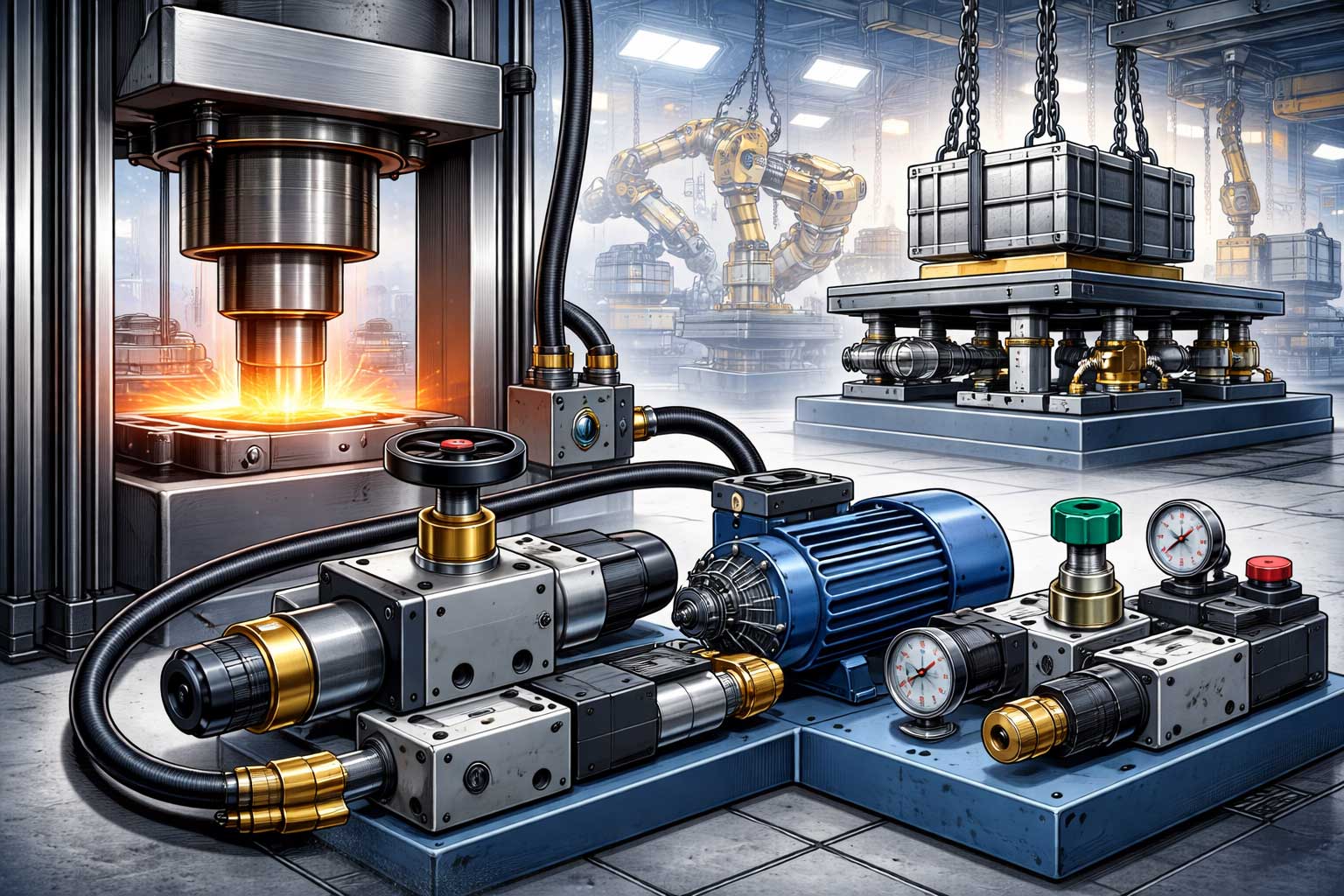
- Hydraulic presses
- Excavators and loaders
- Industrial automation systems
Types of Pressure Valves
Rexroth provides various pressure control solutions:
- Relief Valves – Prevent overpressure
- Pressure Reducing Valves – Maintain lower pressure in specific circuits
- Sequence Valves – Control order of operations based on pressure
- Counterbalance Valves – Prevent load dropping
Key Functions
- Maintain safe operating pressure
- Protect system components
- Ensure stable and consistent performance
Applications
- Hydraulic presses (force control)
- Lifting systems (load holding)
- Industrial machinery requiring pressure stability
3. Flow Control Valves
What Are Flow Control Valves?
Flow control valves regulate the rate of fluid flow within a hydraulic system. Since flow rate directly affects actuator speed, these valves are responsible for controlling how fast a machine moves.
They “control the volume flow and thus the speed of hydraulic actuators.” ()
How They Work
Flow control valves adjust the size of the passage through which fluid flows. By restricting or allowing more fluid, they control speed.
For example:
- Reduced flow → slower actuator movement
- Increased flow → faster movement
Choosing the Right Valve
Selecting the correct valve depends on your application:
- Need to control movement? → Directional valve
- Need to protect system from overload? → Pressure valve
- Need to adjust speed? → Flow control valve
In many cases, a combination of all three is required for optimal performance.
Directional vs Pressure vs Flow Control: Key Differences
Understanding the differences between these valve types is essential for selecting the right component.
| Feature | Directional Control | Pressure Control | Flow Control |
|---|---|---|---|
| Main Function | Controls fluid path | Controls system pressure | Controls flow rate |
| Impact on System | Determines movement direction | Ensures safety & stability | Controls speed |
| Example | 4/3 spool valve | Relief valve | Throttle valve |
| Primary Use | Actuator movement | Pressure regulation | Speed control |
Conclusion
Directional, pressure, and flow control valves form the foundation of any hydraulic system. Each type serves a distinct purpose:
- Directional valves control movement
- Pressure valves ensure safety
- Flow valves regulate speed
Together, they enable precise, efficient, and safe operation of hydraulic machinery. With advanced solutions from Bosch Rexroth, industries can achieve higher productivity, improved control, and long-term reliability.
Understanding these differences not only helps in selecting the right components but also improves system design, troubleshooting, and maintenance.