How Veljan Hydraulic Motors Work: A Simple Explanation for Beginners
Hydraulic motors play a critical role in powering modern industrial and mobile machinery, transforming hydraulic energy into reliable mechanical motion. From heavy-duty construction equipment and agricultural machines to manufacturing systems, these motors deliver the torque and performance needed for demanding operations. Among the leading solutions in the industry, Veljan Hydraulic Motors are recognized for their robust design, high efficiency, and long-lasting reliability. Whether you’re an engineer, technician, student, or industry professional, Rexroth Motor understanding how Veljan hydraulic motors work can help you make informed decisions about hydraulic systems. In this guide, you’ll discover the working principle, key components, types, and real-world applications of Veljan hydraulic motors in a clear and beginner-friendly way.
🔧 What Is a Hydraulic Motor?
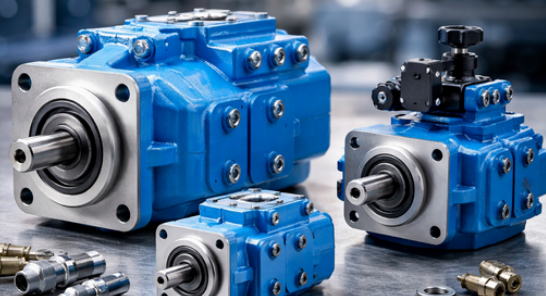
A hydraulic motor is a mechanical device that converts hydraulic energy (fluid pressure and flow) into rotational mechanical energy. In simple terms, it takes the power of pressurized oil and turns it into motion.
Veljan hydraulic motors are specially designed to deliver high torque, smooth rotation, and reliable performance even in tough working conditions.
⚙️ Basic Principle Behind Hydraulic Motors
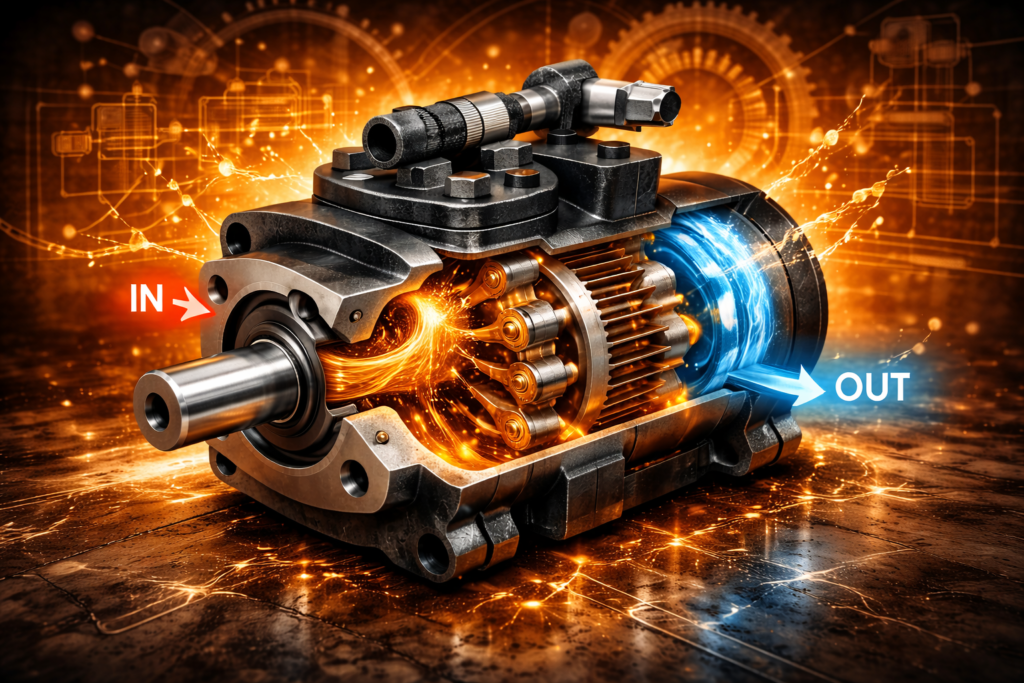
The working of a hydraulic motor is based on fluid power. Let’s simplify it:
- Oil is pushed into the motor under pressure
- The pressure forces internal parts to move
- This movement creates rotation
- The motor shaft rotates and powers the machine
👉 Think of it like water flowing through a water wheel—when water hits the wheel, it spins. Similarly, pressurized oil spins the hydraulic motor.
1. Gear Motors (Simple & Affordable)
How They Work:
Oil pushes against gears, causing them to rotate and produce motion.
Best For:
- Light to medium-duty applications
- Simple machines
2. Vane Motors (Smooth & Quiet)
How They Work:
Sliding vanes inside a rotor expand and contract, creating rotation.
Best For:
- Machines needing smooth and quiet operation
Key Benefit:
Better speed control and less vibration.
3. Piston Motors (Powerful & Heavy-Duty)
How They Work:
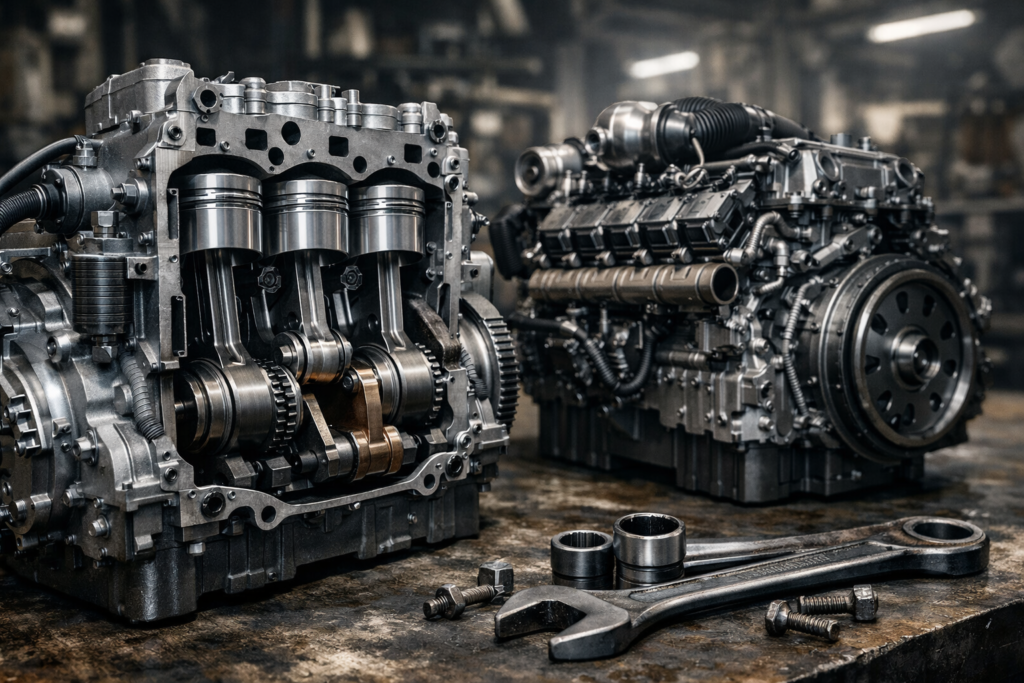
Pistons move due to oil pressure, creating strong rotational force.
Best For:
- Heavy machinery
- High-pressure applications
Key Benefit:
High efficiency and powerful torque.
⚡ Key Components of a Hydraulic Motor
To understand the working better, let’s look at the main components:
- Rotor: Rotates to produce motion
- Stator: Surrounds and supports the rotor
- Shaft: Transfers motion to the machine
- Seals: Prevent oil leakage
- Ports (Inlet/Outlet): Allow oil to enter and exit
Each part plays a crucial role in ensuring smooth and efficient operation.
🏭 Where Are Veljan Hydraulic Motors Used?
Veljan hydraulic motors are used in many industries:
🔹 Construction
- Excavators
- Cranes
- Loaders
🔹 Agriculture
- Tractors
- Harvesters
⭐ Advantages of Veljan Hydraulic Motors
Here’s why these motors are widely preferred:
- High Torque Output – Ideal for heavy loads
- Smooth Operation – Less vibration and noise
- Energy Efficient – Reduces power consumption
- Durable Design – Long-lasting performance
- Compact Size – Saves installation space
🛠️ Basic Maintenance Tips for Beginners
To keep your hydraulic motor running smoothly:
- Check oil levels regularly
- Use clean and good-quality hydraulic fluid
- Replace filters when needed
- Inspect for leaks
- Avoid overheating
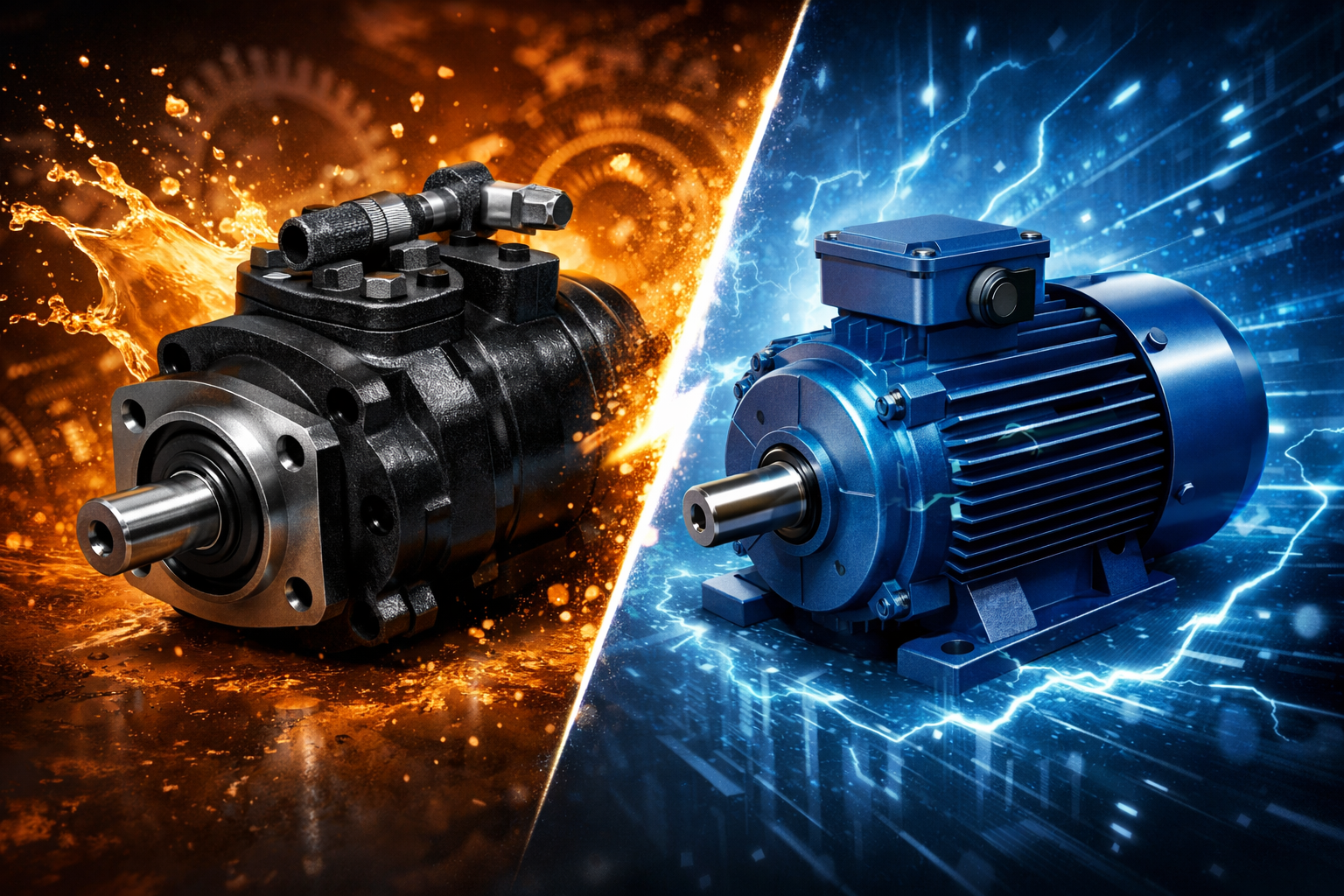
⚖️ Hydraulic Motor vs Electric Motor (Simple Comparison)
| Feature | Hydraulic Motor | Electric Motor |
|---|---|---|
| Power Source | Fluid (oil pressure) | Electricity |
| Torque | High torque at low speed | Moderate torque |
| Durability | Better for harsh environments | Sensitive to conditions |
| Control | Precise speed & torque control | Easier but less powerful |
🧠 Conclusion
Veljan hydraulic motors are powerful, reliable, and easy to understand when broken down into simple concepts. They work by converting the energy of pressurized oil into rotational motion, which powers a wide range of machines.
Whether it’s gear, vane, or piston motors, each type serves a specific purpose and offers unique advantages. Their ability to deliver high torque, smooth performance, and durability makes them essential in industries like construction, agriculture, and manufacturing.
For beginners, understanding the basic working principle and components is the first step toward mastering hydraulic systems.