Complete Guide to Rexroth Hydraulic Valves: Types, Functions & Applications
Rexroth Hydraulic Valves are widely used in industrial hydraulic systems for precise flow, pressure, and directional control.Hydraulic moter systems play a crucial role in powering modern industrial machinery, enabling precise control of motion, force, and speed. At the heart of these systems are hydraulic valves, which regulate the flow and pressure of fluid to ensure smooth and efficient operation. One of the most trusted names in hydraulic technology is Bosch Rexroth, known for manufacturing high-performance hydraulic valves used across industries worldwide.Rexroth Hydraulic Valves are essential components in hydraulic systems, controlling fluid flow, pressure, and direction in various industrial applications. In this comprehensive guide, we will explore Rexroth hydraulic valves, including their types, functions, features, and application
What Are Hydraulic Valves?
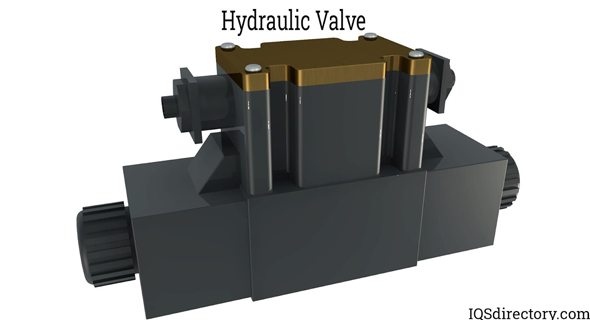
Hydraulic valves are mechanical devices that control the flow, pressure, and direction of hydraulic fluid within a system. They act as the “control center” of a hydraulic circuit, ensuring that machinery operates efficiently and safely.
Key Functions:
- Controlling fluid direction
- Regulating pressure levels
- Managing flow rate
- Ensuring system safety and stability
Without hydraulic valves, it would be impossible to control the movement and force generated by hydraulic systems.
Overview of Rexroth Hydraulic Valves
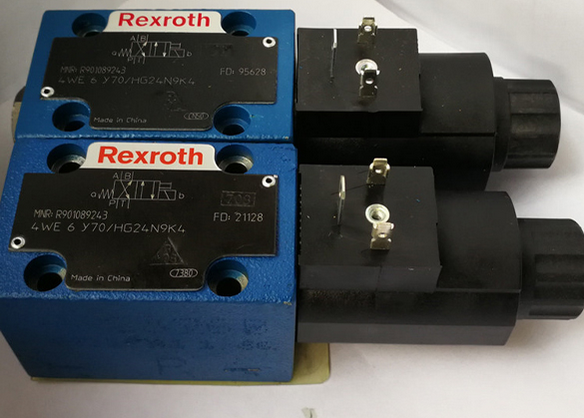
Bosch Rexroth offers a wide range of hydraulic valves designed for industrial and mobile applications. Their valves are known for:
- High precision and accuracy
- Energy efficiency
- Durability and long service life
- Compatibility with advanced automation systems
Rexroth valves are widely used in:
- Construction equipment
- Manufacturing plants
- Agriculture machinery
- Marine systems
- Oil & gas industries
Types of Rexroth Hydraulic Valves
Hydraulic valves can be classified into four main categories:
1. Directional Control Valves
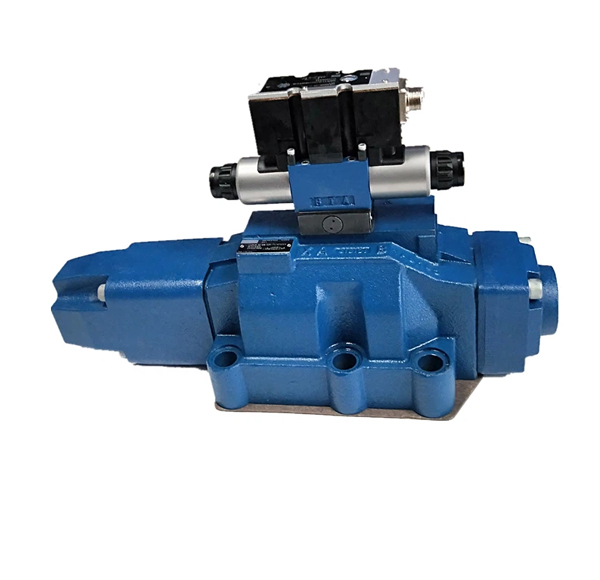
Directional control valves determine the path of hydraulic fluid flow within a system. They are essential for controlling the movement of actuators such as cylinders and motors.
🔧 Types:
- 2/2 way valves
- 3/2 way valves
- 4/2 way valves
- 4/3 way valves
⚙️ Key Features:
- Solenoid-operated or manual control
- Fast switching response
- High reliability
🏭 Applications:
- Industrial machinery
- Automation systems
- Construction equipment
💡 Example Models:
- 4WE6 series
- 4WE10 series
👉 These valves are widely used for starting, stopping, and changing the direction of fluid flow.
2. Pressure Control Valves
Pressure control valves regulate and maintain the desired pressure within a hydraulic system, ensuring safe operation.
🔧 Types:
- Pressure relief valves
- Pressure reducing valves
- Sequence valves
- Counterbalance valves
⚙️ Key Features:
- High-pressure capability
- Accurate pressure regulation
- Built-in safety mechanisms
🏭 Applications:
- Hydraulic presses
- Heavy machinery
- Industrial systems
💡 Example Models:
- DB/DBW pressure relief valves
- DR pressure reducing valves
👉 These valves protect systems from overpressure and potential damage.
3. Flow Control Valves
Flow control valves regulate the speed of hydraulic actuators by controlling the flow rate of fluid.
🔧 Types:
- Throttle valves
- Flow regulators
- Pressure-compensated flow control valves
⚙️ Key Features:
- Smooth and precise flow control
- Adjustable flow rates
- Stable operation
🏭 Applications:
- Machine tools
- Conveyor systems
- Industrial automation
💡 Example Models:
- Z2FS series flow control valves
👉 These valves are critical for controlling speed and motion precision.
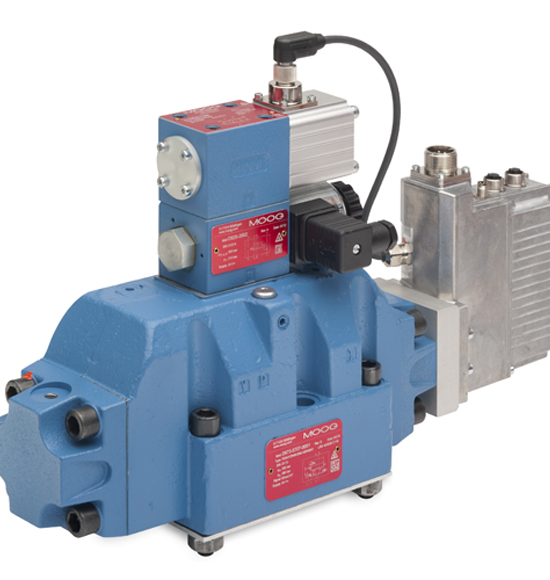
4. Proportional & Servo Valves
Proportional and servo valves provide advanced control over hydraulic systems, enabling precise adjustment of flow and pressure.
🔧 Types:
- Proportional directional valves
- Proportional pressure valves
- Electrohydraulic servo valves
⚙️ Key Features:
- High precision control
- Electronic integration
- Closed-loop control capability
🏭 Applications:
- CNC machines
- Robotics
- Aerospace systems
- Advanced automation
💡 Example Models:
- 4WRPE proportional valves
- 4WS2EM servo valves
👉 These valves are ideal for high-precision and automated systems.
Functions of Rexroth Hydraulic Valves Hydraulic valves perform several critical functions:
1. Direction Control
They direct the flow of hydraulic fluid to different parts of the system, controlling actuator movement.
2. Pressure Regulation
They maintain system pressure within safe limits, preventing damage to components.
3. Flow Regulation
They control the speed of hydraulic actuators by adjusting fluid flow.
4. System Safety
They act as safety devices, protecting systems from overload and pressure spikes.
5. Precision Control
Advanced valves provide accurate control for complex industrial processes.
🔹 High Efficiency
Rexroth valves are designed to minimize energy loss, improving overall system performance.
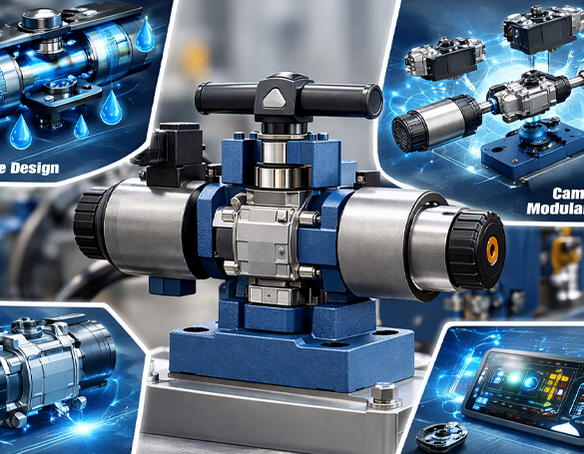
🔹 Low Leakage Design
Precision engineering ensures minimal internal leakage, enhancing efficiency and reliability.
🔹 Compact and Modular Design
Their compact design allows easy integration into various systems.
🔹 Durability and Reliability
Made from high-quality materials, these valves offer long service life even in harsh conditions.
🔹 Advanced Control Technology
Rexroth valves support electronic control systems, enabling automation and smart operation.
Applications of Rexroth Hydraulic Valves
🏗️ Construction Industry
Used in:
- Excavators
- Cranes
- Bulldozers
They ensure smooth and controlled movement of heavy machinery.
🏭 Manufacturing Industry
Applied in:
- Injection molding machines
- Press machines
- CNC systems
They provide precision and efficiency in production processes.

🚜 Agriculture Machinery
Used in:
- Tractors
- Harvesters
They improve operational efficiency and control.
⚓ Marine Industry
Applied in:
- Steering systems
- Deck machinery
They ensure safe and reliable marine operations.
🛢️ Oil & Gas Industry
Used in:
- Drilling equipment
- Pipeline systems
They handle high-pressure and demanding environments.
Advantages of Using Rexroth Hydraulic Valves
- Wide range of valve types
- High precision and performance
- Energy-efficient operation
- Strong global support network
- Proven reliability in critical applications
Future Trends in Hydraulic Valve Technology
The hydraulic industry is evolving with:
- Smart valves with IoT integration
- Energy-efficient designs
- Advanced automation systems
- Improved materials for durability
Bosch Rexroth continues to lead innovation in hydraulic valve technology.
Maintenance Tips for Hydraulic Valves
To ensure long-lasting performance:
✔️ Regular Inspection
Check for wear, leaks, and contamination.
✔️ Clean Hydraulic Fluid
Use high-quality oil and maintain cleanliness.
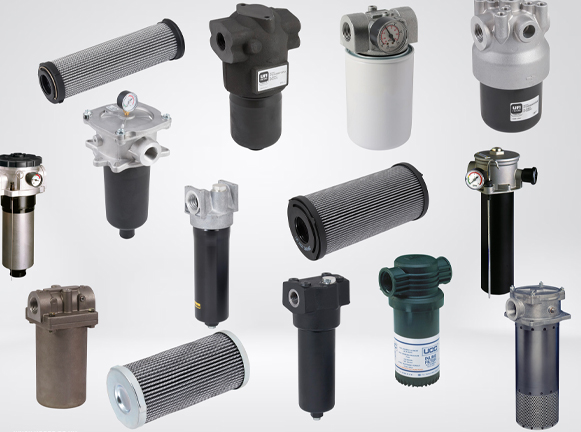
✔️ Replace Filters
Prevent contamination by changing filters regularly.
✔️ Monitor Pressure Levels
Avoid operating beyond recommended limits.
✔️ Scheduled Servicing
Follow manufacturer guidelines for maintenance.
How to Choose the Right Rexroth Hydraulic Valve
Consider the following factors:
1. Application Requirements
Understand your system’s needs and operating conditions.
2. Pressure and Flow Ratings
Choose valves that match system specifications.
3. Control Type
- Manual
- Hydraulic
- इलेक्ट्रिक (Electronic control)
4. Compatibility
Ensure compatibility with existing hydraulic components.
5. Budget and Maintenance
Evaluate long-term cost and maintenance requirements.
Conclusion
Rexroth hydraulic valves are essential components in modern hydraulic systems, offering precision, reliability, and efficiency. Whether it’s directional control valves for fluid routing, pressure control valves for safety, flow control valves for speed regulation, or proportional valves for advanced automation, Rexroth provides solutions for every industrial need.
By understanding the different types, functions, and applications, businesses can select the right hydraulic valves to optimize performance, improve efficiency, and ensure long-term reliability.